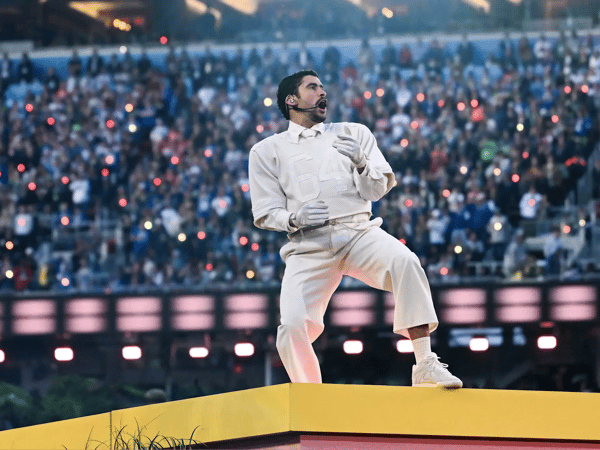
When Bad Bunny fills U.S. stadiums and when the Super Bowl draws one of the world’s largest annual audiences, we are seeing more than entertainment. We are seeing how the United States absorbs global culture, elevates immigrant voices, and converts diversity into economic momentum. Artists, athletes, nurses, engineers, founders, and executives cross borders to contribute, perform, innovate, and lead. Immigration is not peripheral to this system. It is foundational.
This is why the U.S. continues to function as a unified global market. Culture, commerce, and professional mobility move through the same infrastructure. That convergence creates opportunity. It also places sustained pressure on the systems that govern access, especially visas.
Mobility today is no longer an administrative afterthought. It is a strategic resource.
2026 to 2028: A High-Demand Cycle for Global Travel
The next several years represent one of the most concentrated periods of international engagement the United States has seen in decades.
In 2026, the U.S. co-hosts the 2026 FIFA World Cup, bringing national teams, officials, sponsors, media, and millions of fans across multiple American cities from June through July.
That same year, America250 coordinates nationwide programming marking the 250th anniversary of U.S. independence. Events run throughout 2026 and peak around July 4, with cultural exhibitions, public celebrations, and international participation expected to drive sustained tourism.
In 2027, global engagement continues with the Military World Summer Games in North Carolina and the NFL Draft in Washington, D.C., both drawing overseas delegations, sponsors, media, and commercial partners.
Then comes 2028, when Los Angeles hosts the 2028 Summer Olympics. Olympic participation planning starts years in advance. Visa demand for athletes, coaches, officials, broadcasters, sponsors, and spectators builds long before opening ceremonies.
Taken together, these are not isolated spikes. They form a multi-year inbound pipeline.
Culture and Festivals With Global Pull
Alongside major sporting milestones, the United States anchors global cultural events that consistently attract international audiences, including Coachella (typically April), Ultra Music Festival (late March), and BlizzCon (historically fall).
Dates vary year to year, but demand patterns do not. These events generate short, high-volume travel windows where visa timelines compress and appointment availability becomes competitive.
Many travelers underestimate this until flights are booked and schedules are fixed.
Professional and Healthcare Conferences: A Major Mobility Engine
Beyond entertainment and sport, professional conferences are one of the largest ongoing drivers of international travel to the United States.
Healthcare illustrates this clearly. Events organized by HIMSS, the American Nurses Association, the American Association of Critical-Care Nurses, and innovation summits such as HLTH bring international clinicians, hospital executives, educators, recruiters, startups, and investors to the U.S. every year.
These trips are operationally important. They involve workforce planning, licensing discussions, procurement, research collaboration, and recruitment pipelines. Visa demand for these conferences is predictable, time-bound, and compounded when stacked alongside global sports and cultural events.
Missed visas here do not just mean missed meetings. They mean delayed hiring, stalled partnerships, and lost momentum.
Where Access Breaks Down
During peak demand cycles, U.S. visa systems do not scale automatically. Organizations and travelers routinely encounter:
- Limited consular appointment availability
- Longer processing timelines
- Increased scrutiny of documentation
- Higher risk of last-minute delays
Eligibility alone does not guarantee timely entry. Outcomes depend on correct visa classification, preparation quality, and realistic timeline planning. Most problems arise when strategy begins after travel commitments are already made.
How We Support Mobility at Scale
At ONOR Immigration Law, we help organizations and individuals navigate U.S. travel during high-demand periods with structured, practical planning. Unlike Bad Bunny who's from Puerto Rico, a US territory, most travelers to the country need a visa for entry.
For partners, organizers, and institutions
- Early identification of appropriate visa categories
- Coordinated strategies for delegations, speakers, and participants
- Timeline planning aligned with fixed event dates
- Risk assessment where contracts, employment history, or prior travel affect eligibility
For attendees and professionals
- Clear distinction between visitor and business intent
- Identification of potential refusal risks before travel commitments
- Preparation aligned with consular review standards
Our work focuses on compliance, timing, and execution.
Strategic Planning for Mobility and Access
For organizations preparing delegations and for individuals seeking to attend major U.S. events in 2026, 2027, or ahead of the 2028 Olympics, visa strategy should begin early. High-profile global events compress timelines and reduce flexibility. Early assessment improves outcomes, lowers cost, and protects access.
If you are evaluating visa pathways for attendees, professionals, or delegations, our team is available to provide structured guidance and realistic planning. Email us at novie@onorimmigrationlaw.com to discuss if you have any need for US visa planning.